What Causes Floor Tiles to Become Slippery?
Floor tiles can become slippery for several reasons, and identifying the cause is the first step toward reducing risk. A surface that feels safe when dry may offer less grip when water, soap, oil or fine dust forms a layer between footwear and the floor.
Common causes of slippery tiles
- Water and moisture: water can reduce traction, particularly on smooth or polished surfaces.
- Soap and cleaning residue: leftover detergent, conditioner or floor polish can leave a slick film.
- Grease and oils: kitchens, food-service areas and workshops may accumulate invisible oily residues.
- Polished finishes: some highly finished tiles have limited grip in wet conditions.
- Dust and fine particles: loose contamination can act as a layer between shoes and the floor.
- Worn or damaged surfaces: wear, sealers or inappropriate coatings can change how a floor performs.
How to address the problem
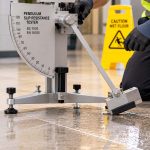
Start by identifying when and where the floor becomes slippery. Review cleaning products and methods, remove residues using a compatible cleaner, improve drainage where possible, and use warning signs while floors are wet. If the problem continues, arrange a professional assessment and suitable slip-resistance testing.
Can treatment help?
An anti-slip treatment may improve traction on compatible hard surfaces, but suitability depends on the tile material, finish, contamination and use conditions. Test a representative area first and assess the result using an appropriate method. No floor should be described as completely slip-proof.
GripBooster can help assess suitable floor treatment options and testing needs for commercial and residential sites in Dubai and the UAE.