Is Anti-Slip Treatment Suitable for Porcelain Tiles?
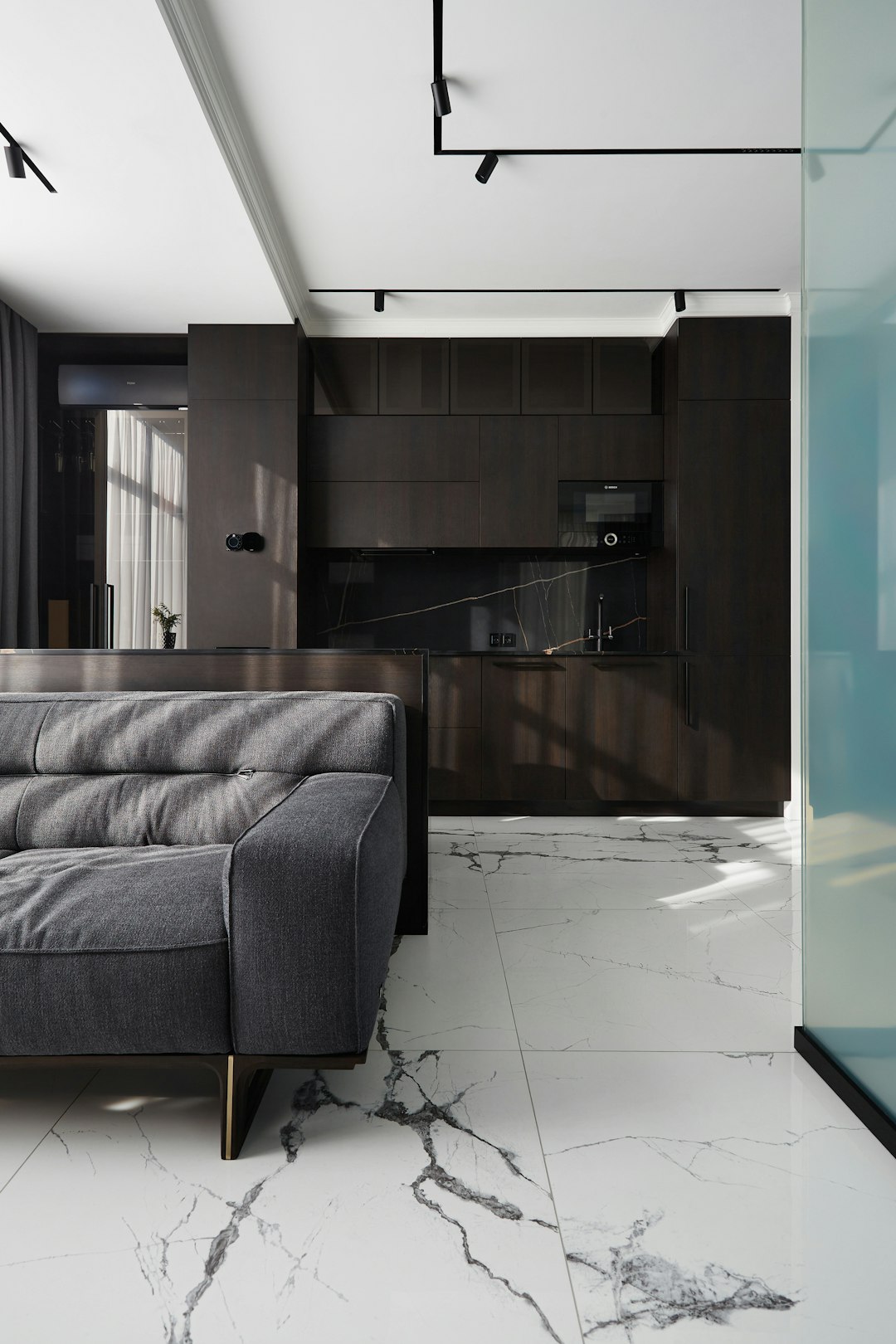
Anti-slip treatment may be suitable for some porcelain tiles, but porcelain is not a single uniform surface. Polished, matte, textured and glazed finishes can behave differently, so the exact tile and finish should be assessed before work begins.
Why porcelain finish matters
Porcelain tiles are often dense and have low absorption. A polished surface may perform differently from a textured outdoor tile, especially when wet. Existing sealers, coatings or cleaning residues may also affect treatment performance.
Checks before treatment
- Confirm the tile type and surface finish.
- Check product guidance for porcelain compatibility.
- Identify existing sealers, waxes or protective coatings.
- Clean the surface thoroughly with a compatible method.
- Complete a discreet test patch and assess the appearance.
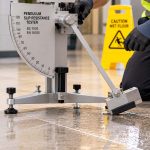
- Where appropriate, measure slip resistance before and after treatment.
What about maintenance?
Use a cleaning routine suited to the tile and treatment. Avoid unapproved polishes or products that leave a slippery film. Promptly remove soap, grease and other contamination, and re-check high-traffic or frequently wet areas when conditions change.
Treatment cannot compensate for every hazard, such as standing water, poor drainage or unsuitable footwear. A site-specific assessment helps determine whether treatment, improved cleaning, drainage changes, mats or another control is appropriate.
GripBooster can assess suitable options for porcelain floors in homes, hotels and commercial premises across Dubai and the UAE.