Is Anti-Slip Treatment Suitable for Natural Stone Floors?
Natural stone floors require careful assessment before any anti-slip treatment. Marble, granite, limestone, travertine and slate differ in composition, porosity, finish and sensitivity to cleaning products. A method suitable for one stone may not be suitable for another.
Identify the stone and finish
Polished stone may have different wet-grip characteristics from honed, brushed or textured stone. Some surfaces have sealers or impregnating treatments that can affect how a new product interacts with the floor. Confirm the stone type and previous maintenance history whenever possible.
Important precautions
- Use only products confirmed as compatible with the specific stone.
- Avoid unapproved acidic or abrasive cleaners that may etch or scratch the surface.
- Test in a discreet location and inspect colour, gloss and texture after treatment.
- Confirm whether the treatment affects existing sealers or future maintenance.
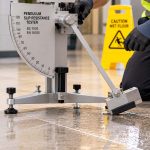
- Use an appropriate slip-resistance test when objective verification is needed.
Consider the whole floor-safety issue
Water ingress, poor drainage, loose rugs, worn sealers and cleaning residue can contribute to slipping. Addressing these causes may be as important as treatment. For outdoor stone, weather exposure and dirt accumulation should also be considered.
Because natural stone is often a premium finish, do not proceed based only on a general claim that a product works on stone. Request a surface assessment and written guidance about expected appearance, application and care.
GripBooster can help evaluate appropriate anti-slip options for compatible stone surfaces in Dubai and the UAE.