How to Prevent Slips in Restaurants and Food Service Areas
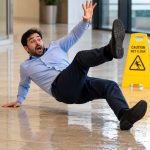
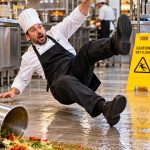
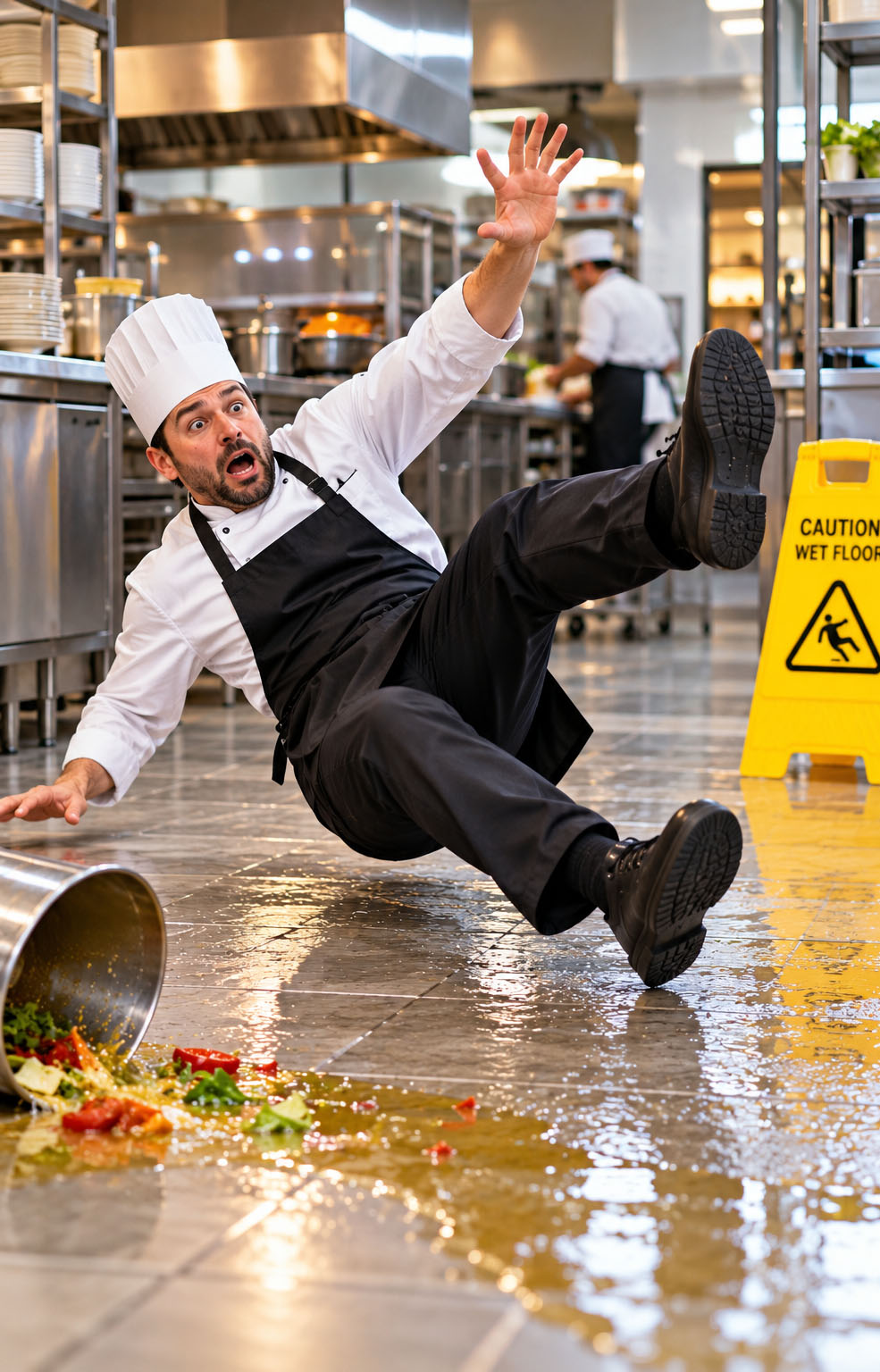
Restaurants combine several sources of floor contamination: cooking oils, food spills, water, cleaning solutions and moisture brought in from outside. Kitchen floors, dishwashing areas, service routes and dining spaces need cleaning and inspection routines suited to their use.
Control grease and spills quickly
Remove oil, food and drink spills as soon as it is safe to do so. Use a cleaning product and procedure suitable for the floor and contamination. Follow the product instructions, including dilution and rinsing, to avoid leaving a slippery film.
Separate cleaning from busy service periods
Where practical, schedule deep cleaning when pedestrian traffic is low. Use warning signs and barriers, keep routes clear and ensure floors are safe before reopening the area. Staff should know how to report leaks and hazards immediately.
Assess the floor surface
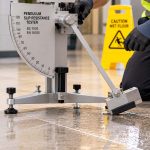
Some floors may need a more suitable finish or a compatible anti-slip treatment. Before applying a treatment, confirm the substrate, surface condition, hygiene requirements and compatibility with cleaning products. Test a discreet area first and verify performance using an appropriate method where needed.
Keep records and review recurring problems
- Inspect kitchen, dishwashing and entrance zones.
- Record spills, near misses and repeat locations.
- Check footwear and staff procedures.
- Maintain drainage and repair damaged flooring promptly.
- Review cleaning products if residue repeatedly appears.
Treatment is only one possible control and cannot replace grease management or safe housekeeping. GripBooster can help assess compatible commercial floors and discuss testing options for restaurants and food-service facilities in Dubai and the UAE.