What Should You Do After a Floor Slip Incident?
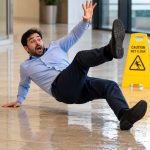
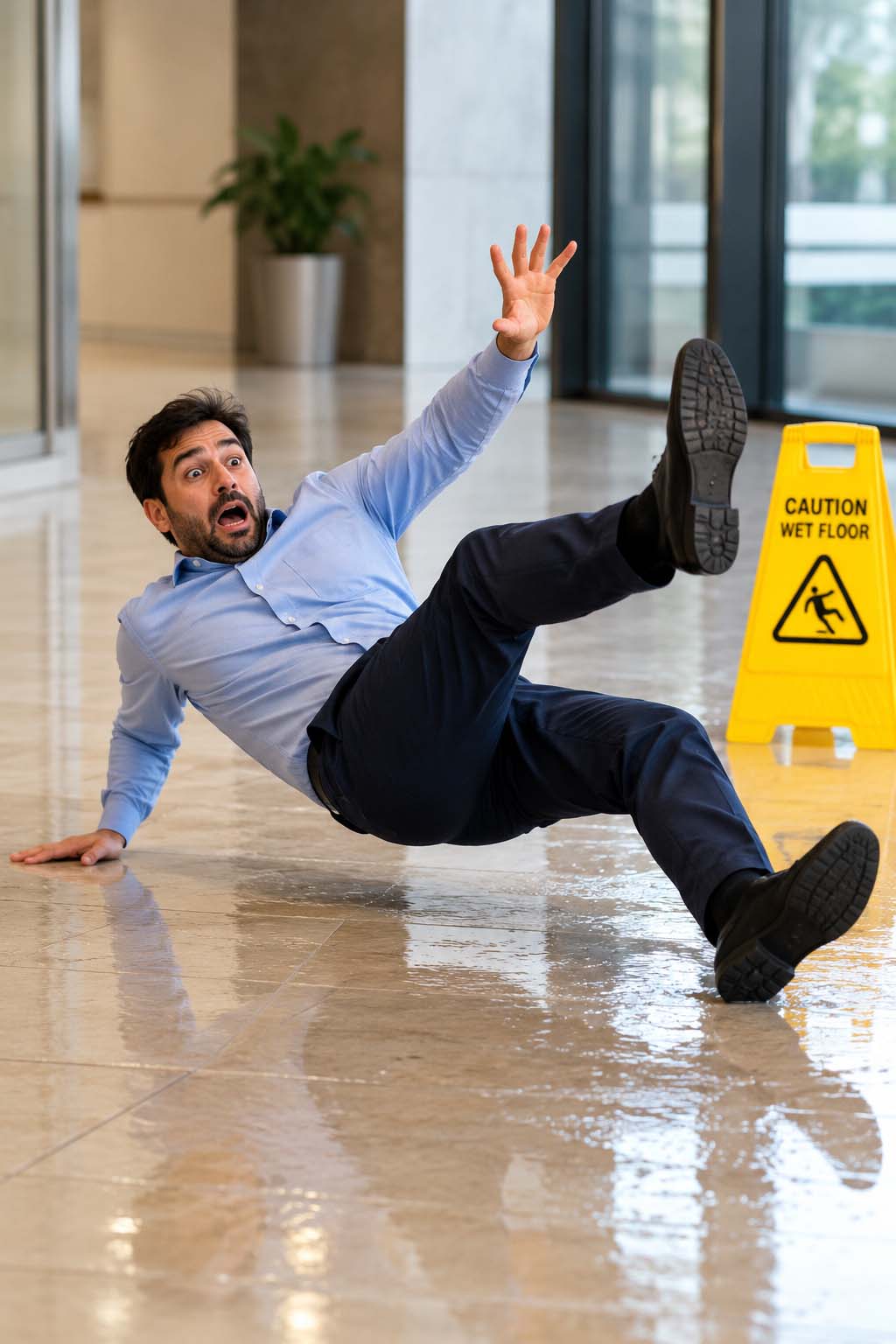
After a floor slip incident, prioritize the person’s safety and then address the hazard to reduce the chance of another incident. Follow your organization’s emergency and incident-reporting procedures and seek medical assistance when needed.
1. Assist the person and secure the area
Check whether the person needs urgent medical attention and do not move someone who may have a serious injury unless there is an immediate danger. Contact emergency services or qualified first aid support as appropriate. Keep other people away from the affected area until it is safe.
2. Control the hazard
If it is safe to do so, isolate the wet or contaminated section, display warning signs and arrange for trained staff to remove the hazard. Check for leaks, spills, loose mats, uneven tiles or cleaning residue. Do not reopen the area until the immediate risk has been controlled.
3. Record the facts
Follow the site’s incident procedure. Record the time and location, observed floor condition, possible contamination, lighting, footwear information if relevant, witness details and any action taken. Preserve relevant photographs or maintenance records according to the organization’s policy. Avoid guessing about the cause before the facts are reviewed.
4. Investigate and prevent recurrence
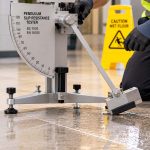
Review cleaning schedules, inspection records, drainage, floor condition and previous near misses. If surface traction is a concern, consider a competent assessment and suitable slip-resistance testing. A treatment may be appropriate for some surfaces, but other corrective measures may be needed.
Document corrective actions and assign responsibility for follow-up. A slip incident should trigger a practical review of the whole walking environment—not just an assumption that the floor needs treatment.
GripBooster can discuss floor assessment and testing options for commercial sites in Dubai and the UAE.