How to Make Slippery Floor Tiles Anti-Slip
Slippery floor tiles can create a safety concern in homes, hotels, offices, retail spaces and other buildings. Water, soap residue, polishing products and smooth finishes can all affect the grip available underfoot. The right solution depends on the tile material, the environment and how the floor is used.
Why do floor tiles become slippery?
Some tiles have a smooth finish that provides limited traction when wet. A thin layer of soap, grease, dust or cleaning-product residue can make the problem worse. Outdoor tiles may also collect algae or other contamination. Before choosing a treatment, identify the source of the slipperiness and clean the surface appropriately.
Ways to improve floor traction
- Keep the surface clean: Use a cleaner suitable for the tile and remove residues that can reduce grip.
- Manage water: Improve drainage, address leaks and use suitable entrance mats where appropriate.
- Consider anti-slip treatments: Some treatments are designed for specific materials and can improve traction without installing a new floor. Always confirm compatibility with the tile manufacturer’s guidance and the treatment provider.
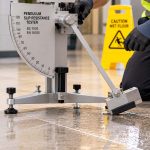
- Use testing to assess performance: Appropriate slip-resistance testing can help establish a baseline and evaluate the treated surface under relevant conditions.
Is every anti-slip treatment suitable for every tile?
No. Ceramic, porcelain, natural stone, polished marble, enamel and acrylic surfaces differ. A treatment suitable for one surface may affect another surface’s appearance or finish. Ask for a small-area suitability check and clear instructions on cleaning, application, rinsing and aftercare.
Why measure slip resistance?
Appearance alone cannot confirm how much grip a floor provides. A suitable test method, selected for the surface and conditions, can help compare results before and after treatment. Ask the service provider to explain the method, test conditions and interpretation of results.
Choosing a solution in Dubai and the UAE
For homes and commercial properties in the UAE, consider where the floor is located, how often it gets wet, the cleaning routine and expected foot traffic. Bathrooms, pool surrounds, kitchens, lobbies and ramps may need different approaches. A professional assessment can help determine whether cleaning, maintenance, a compatible treatment or a surface change is appropriate.
Discuss your floor with GripBooster
GripBooster provides floor anti-slip treatment services for selected surfaces. Contact the team to discuss your floor type and site conditions before deciding on a solution. Performance depends on the substrate, condition, application and maintenance; request relevant testing information for your specific project.