How to Choose Anti-Slip Treatment for Floor Tiles
Choosing the right anti-slip treatment for floor tiles starts with understanding the type of tile, its surface finish, and the conditions in which it is used. A treatment that works on one flooring material may not be suitable for another. Before selecting a solution, it is important to identify why the floor is slippery and what level of performance is required for the area.
1. Identify Your Floor Tile Material
Flooring may consist of ceramic, porcelain, natural stone, polished tile, or other hard-surface materials. Each material can respond differently to treatment. Some tiles may have coatings or finishes that affect compatibility.
Confirming the tile type helps a specialist select an appropriate treatment and avoid unnecessary changes to the surface.
2. Understand Why the Floor Is Slippery
A floor may become slippery because of water, soap residue, grease, dust, cleaning products, worn finishes, or an unsuitable surface for the environment. In some cases, the main issue may be poor drainage or inappropriate cleaning rather than the tile itself.
The cause should be identified before treatment is selected. Cleaning, maintenance changes, drainage improvements, or other corrective measures may be necessary alongside an anti-slip solution.
3. Consider Where the Tiles Are Installed
Bathroom floors, shower areas, hotel washrooms, kitchen floors, entrances, swimming pool surrounds, and outdoor walkways have different exposure conditions. A treatment should be chosen with the area’s moisture levels, foot traffic, cleaning requirements, and expected use in mind.
4. Ask About Appearance and Compatibility
If you want to retain your existing tiles, ask whether the proposed treatment is designed for that specific material and finish. Request a test area where appropriate so that appearance and surface compatibility can be evaluated before treating the entire floor.
5. Check Slip Resistance Testing Options
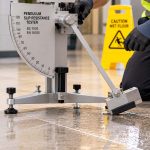
Where suitable, slip resistance testing can help assess the floor before and after treatment. Pendulum testing is one recognised method, and results are commonly expressed as PTV. The correct test procedure and interpretation depend on the flooring and its intended use.
6. Understand Maintenance and Warranty Conditions
Ask about recommended cleaning methods, maintenance requirements, expected performance, and the written warranty offered by the service provider. Results and service life can vary according to floor conditions, traffic, cleaning practices, and treatment suitability.
Anti-Slip Tile Treatment in Dubai by GripBooster
GripBooster helps residential and commercial customers explore anti-slip treatment options for compatible floor tiles. Our team can assess the surface and discuss an appropriate solution for bathrooms, hotels, kitchens, entrances, and other areas where floor traction is a concern.
Contact GripBooster to arrange a floor assessment and choose a suitable anti-slip treatment for your tiles.