How to Improve Bathroom and Shower Floor Safety
Bathroom and shower floors are frequently exposed to water, soap, shampoo, and cleaning residue. These conditions can reduce traction and increase the likelihood of slipping, particularly when floors are smooth or when water does not drain effectively. Improving bathroom floor safety involves a combination of suitable flooring measures, regular maintenance, and an assessment of the existing surface.
Keep Bathroom Floors Clean and Well Maintained
Soap residue, shampoo, body oils, and cleaning product deposits can affect the way a floor performs. Use cleaning products that are appropriate for the flooring material, follow the manufacturer’s instructions, and rinse away residue where required.
Routine inspections can help identify damaged tiles, loose flooring, worn grout, or areas where water regularly accumulates.
Address Drainage and Water Accumulation
Poor drainage can leave standing water on bathroom and shower floors. Check that drains are functioning correctly and that water is not collecting because of damaged grout, uneven surfaces, or other defects. Structural or drainage problems should be addressed by a qualified professional where necessary.
Consider Suitable Anti-Slip Solutions
Depending on the floor material and the source of the problem, options may include suitable anti-slip mats, improvements to drainage, changes to cleaning procedures, or professional anti-slip floor treatment.
An anti-slip treatment may help improve traction on compatible existing tiles without requiring complete floor replacement. However, suitability must be checked first, especially for polished tiles, natural stone, coated surfaces, and decorative finishes.
Assess Slip Resistance
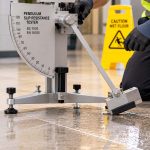
Where appropriate, floor slip resistance testing can help evaluate a bathroom or shower surface under defined conditions. Pendulum Slip Resistance Testing is one recognised assessment method. Results should be interpreted according to the test conditions and the intended use of the floor.
A professional assessment can help determine whether treatment is appropriate or whether additional measures are required.
Maintain Safety After Treatment
The effectiveness of any floor safety measure depends on appropriate installation, cleaning, and ongoing maintenance. Follow the treatment provider’s instructions, promptly remove spills, and address any new changes in floor condition.
Bathroom and Shower Anti-Slip Treatment by GripBooster
GripBooster offers anti-slip floor treatment solutions for suitable bathroom, shower, washroom, and other wet-area flooring in Dubai and across the UAE. We can help assess your existing tiles and discuss a treatment option suited to the surface and its use.
Contact GripBooster to explore ways to improve bathroom and shower floor safety.