How Should Anti-Slip Treated Floors Be Cleaned?
Correct cleaning is essential for maintaining the performance of an anti-slip treated floor. Dirt, soap, grease and cleaning residue can build up on the surface and reduce traction. The right method depends on the tile, the treatment and the type of contamination.
Use compatible cleaning products
Follow the treatment provider’s written maintenance guidance and the floor manufacturer’s recommendations. Avoid assuming that a strong cleaner is more effective. Some acidic, alkaline, abrasive or solvent-based products can damage particular surfaces or affect sealers and finishes.
Practical cleaning steps
- Remove loose dust and debris before wet cleaning.
- Use the recommended dilution and avoid overdosing detergent.
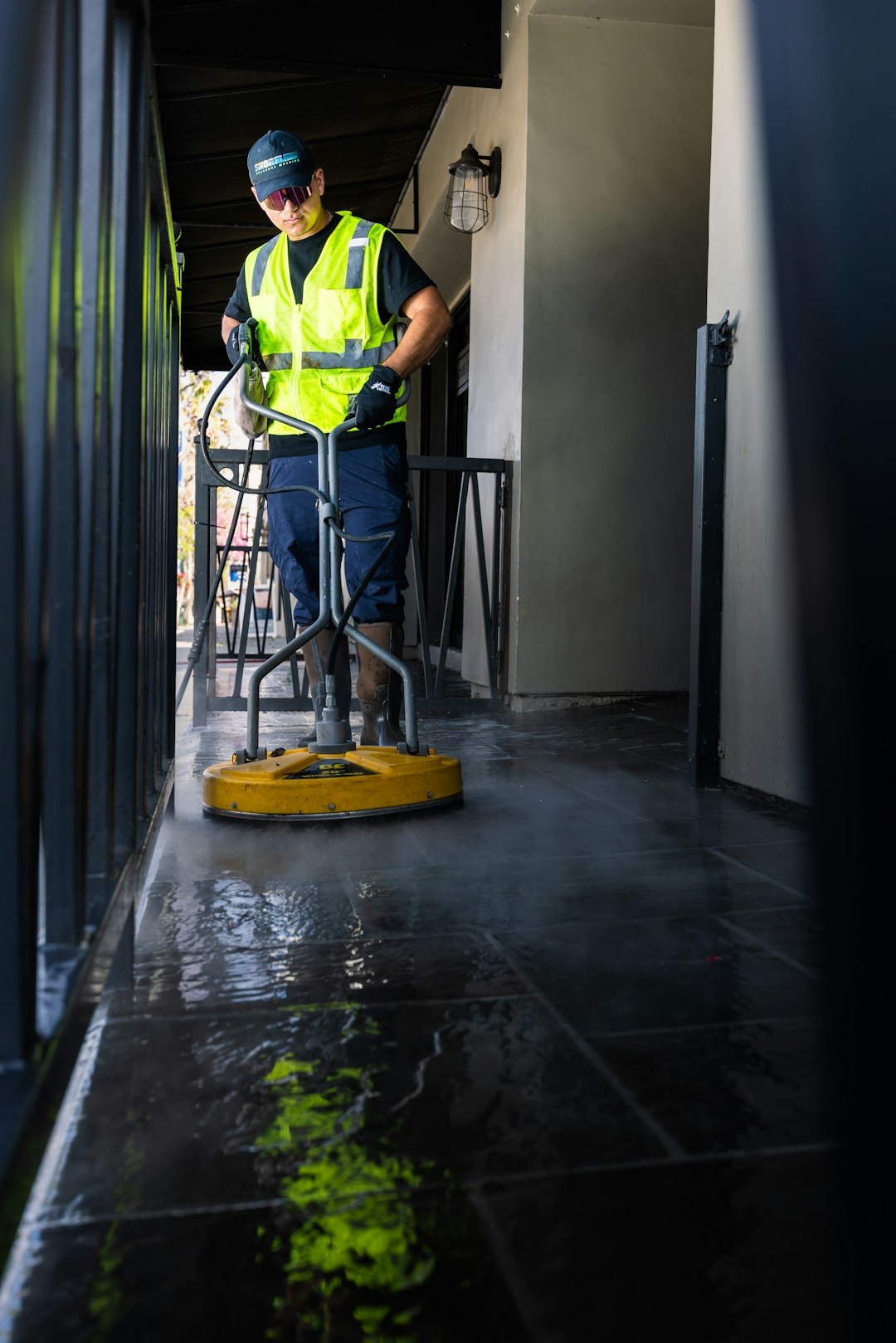
- Agitate the surface as needed with compatible equipment.
- Rinse when the cleaner’s instructions require it; do not leave a film behind.
- Remove excess water and allow the area to dry safely.
- Use warning signs and restrict access while the floor is wet.
What should be avoided?
Unapproved waxes, polishes and residue-forming products may make a floor slick. Do not mix cleaning products or change chemicals without checking compatibility. In kitchens, promptly remove grease and food spills; in bathrooms, manage soap and personal-care product residue.
Review performance over time
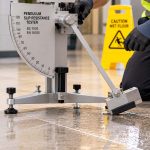
Inspect high-traffic areas regularly and investigate changes in grip, appearance or cleaning results. If slip concerns persist, arrange a professional assessment and suitable testing rather than relying on touch alone.
GripBooster can advise on treatment-compatible maintenance for suitable floors in commercial and residential settings in Dubai and the UAE.