Does Anti-Slip Treatment Work on Wet Floors?
Some anti-slip treatments are designed to improve traction on compatible surfaces in wet conditions. However, performance depends on the floor material, the treatment, the type of liquid present and how the floor is maintained. Treatment should not be taken as a guarantee that slips cannot occur.
Why wet floors need special attention
Water can form a layer between footwear and the floor. Soap, shampoo, grease, food residue and cleaning products may make conditions more challenging. A surface that feels acceptable when dry may behave differently when wet.
What treatment can and cannot do
A suitable treatment may improve surface traction, but it cannot correct standing water, leaking pipes, poor drainage, loose tiles or unsafe access arrangements. It also cannot prevent every incident, especially where contamination is uncontrolled or footwear is unsuitable.
Steps for safer wet areas
- Assess the actual tile and its intended use.
- Choose a compatible treatment and complete a test patch.
- Improve drainage and remove standing water where possible.
- Maintain a cleaning routine that avoids slippery residue.
- Use signs and barriers during cleaning or unexpected spills.
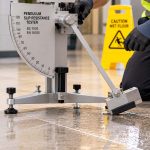
- Verify performance with an appropriate slip-resistance test when needed.
Hotels, washrooms, pool surrounds, kitchens and entrances may each need different controls. The correct solution should reflect the real conditions rather than a generic claim about wet-floor performance.
GripBooster can assess compatible surfaces and recommend practical steps for improving wet-area floor safety in Dubai and the UAE.