How Can Businesses Reduce Slip Risks at Entrances?
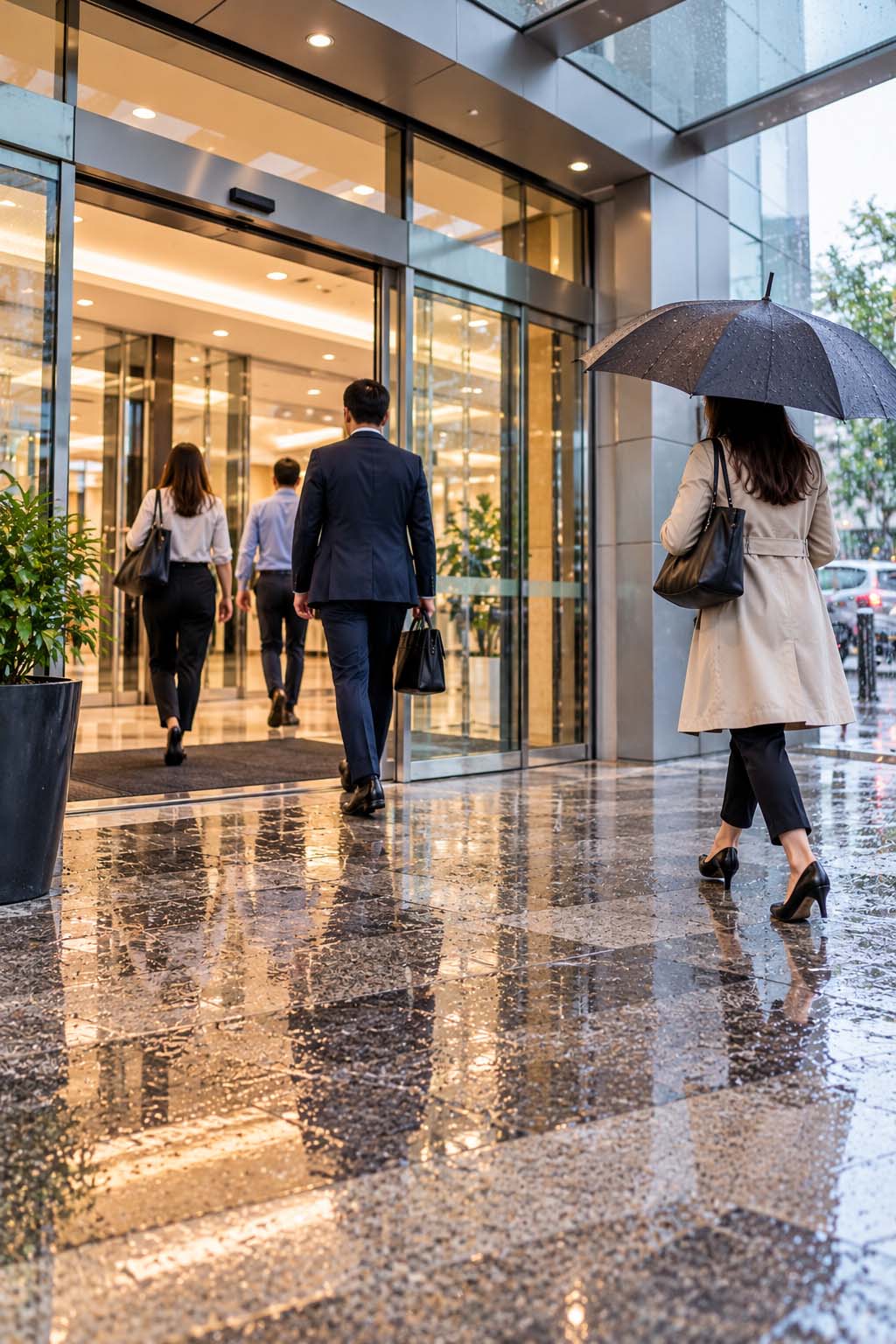
Building entrances are exposed to rainwater, dust, sand and moisture brought in on footwear. These changing conditions can create slip hazards in offices, hotels, retail buildings and residential towers. A planned approach is more effective than relying on one measure alone.
Control water and dirt at the entrance
Use suitable entrance matting where appropriate, ensure it lies flat and is maintained, and prevent curled edges that may cause trips. Inspect door thresholds and drainage so water does not collect on the walking route. In wet weather, increase inspection and cleaning frequency.
Keep cleaning effective
Use a cleaning schedule that reflects traffic and weather. Remove grit and residue, use compatible detergents and avoid leaving a slippery film. During cleaning, provide clear warning signs and keep pedestrians away from wet sections where possible.
Assess the floor surface
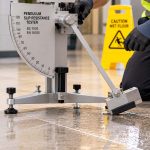
Some entrance tiles or stone finishes may offer limited traction when wet. A professional assessment can determine whether a compatible anti-slip treatment is appropriate. Test a representative area first and verify performance using a suitable method when required.
Make inspections routine
- Check mats, transitions and floor edges.
- Record recurring wet spots and near misses.
- Respond promptly to leaks and spills.
- Review procedures when seasons or cleaning methods change.
- Train staff to report hazards quickly.
Slip prevention is a combination of surface condition, housekeeping, drainage and management. GripBooster can help businesses in Dubai and the UAE assess floor treatment and slip-testing options for entrances and other high-traffic areas.