How to Improve Slip Resistance in Shopping Centres
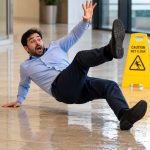
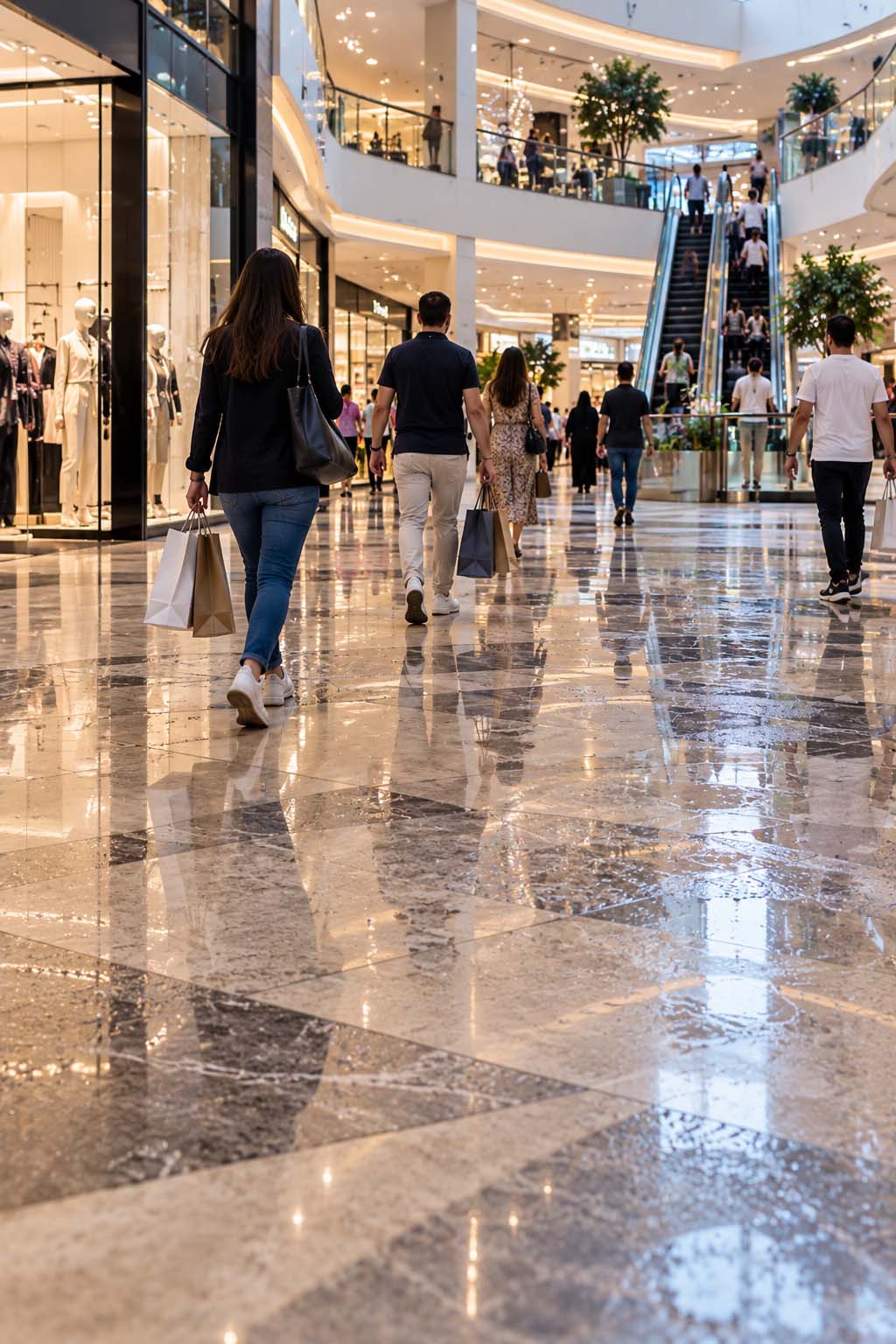
Shopping centres combine high pedestrian traffic with changing floor conditions. Entrances may become wet, food courts can accumulate spills, and polished corridors may be affected by dust or cleaning residue. Floor safety requires consistent controls across different zones.
Identify higher-risk locations
Review entrances, food courts, washrooms, escalator landings, service corridors and areas near beverage outlets. Look at incident reports, near misses, foot traffic and the times when floors are most often wet or contaminated.
Build a practical cleaning plan
Use zone-specific schedules and compatible cleaning products. Respond quickly to spills, remove detergent residue and make sure cleaning equipment does not leave excess water behind. Use signs and barriers while floors are being cleaned, and keep pedestrian routes clear.
Assess flooring and treatment options
Different zones may use ceramic tile, porcelain, stone or other finishes. A suitable anti-slip treatment may be considered for compatible surfaces, but the floor must be assessed first. Test patches help identify possible appearance changes and confirm that the proposed process is appropriate.
Measure and document performance
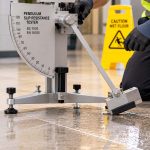
Where a more objective assessment is needed, choose a suitable slip-resistance test method for the surface and conditions. Record locations, results, cleaning practices and any corrective action. Follow relevant site requirements and obtain competent advice when interpreting results.
Shopping-centre safety also depends on drainage, lighting, footwear expectations and staff response procedures. No single treatment replaces housekeeping or hazard management.
GripBooster supports floor assessment, anti-slip treatment options for compatible surfaces and slip-resistance testing for commercial properties in Dubai and the UAE.