How to Improve Slip Resistance in Hospitals and Clinics
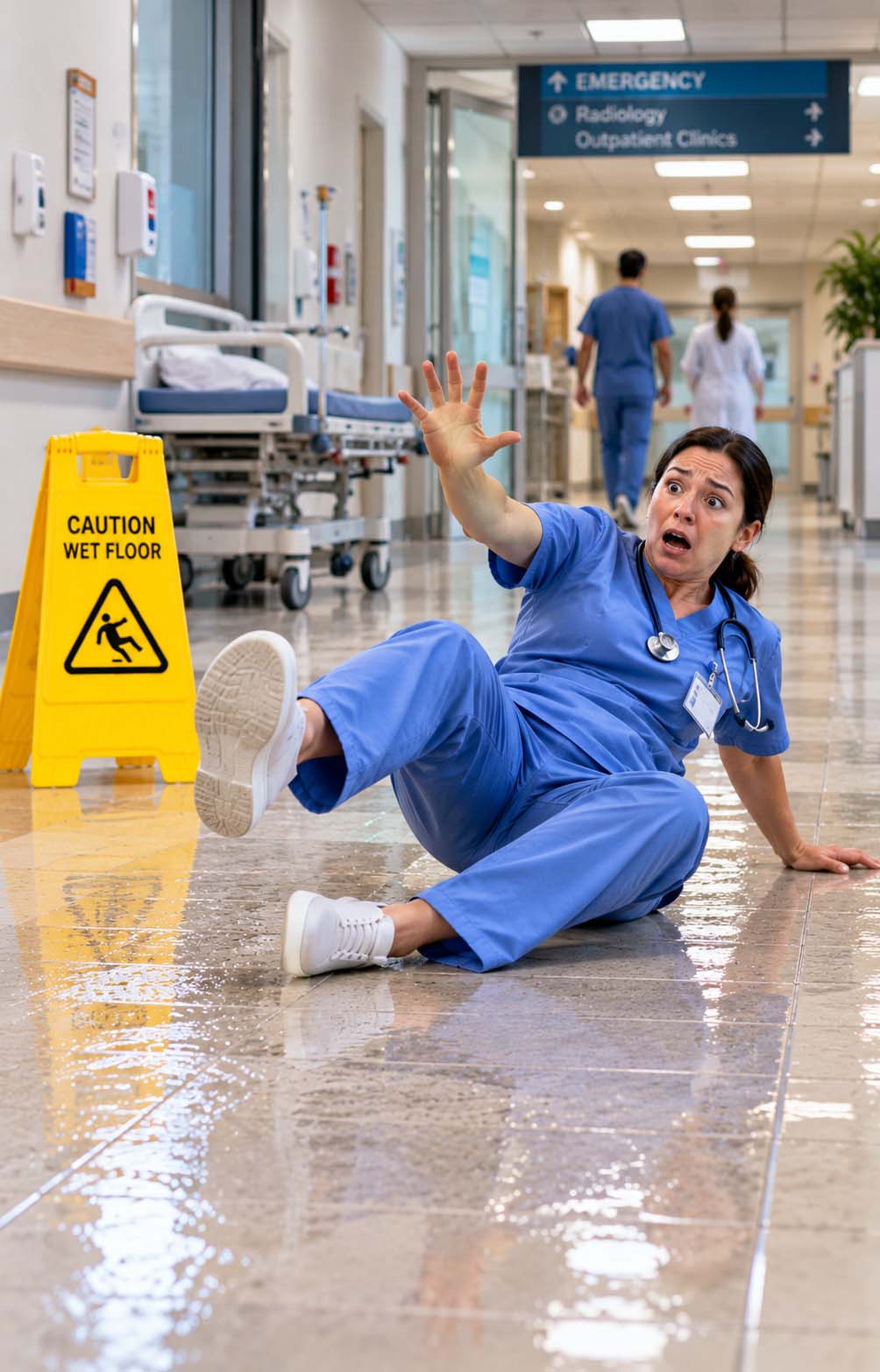
Hospitals and clinics must balance slip prevention with hygiene, accessibility and uninterrupted operations. Water, cleaning solutions, spills and frequent movement can affect floor conditions in entrances, corridors, washrooms, treatment rooms and other areas.
Start with a site-specific assessment
Identify areas that become wet or contaminated, review incident records and consider the movement of patients, staff, wheelchairs and equipment. Look for poor drainage, uneven transitions, loose mats and cleaning routines that leave residue.
Coordinate with infection-control and facilities teams
Any cleaning or treatment proposal should be checked against the facility’s hygiene protocols, floor manufacturer’s instructions and product compatibility requirements. Do not introduce a treatment or maintenance product without approval from the responsible facilities and infection-control personnel.
Improve daily prevention
- Respond quickly to spills and leaks.
- Use approved cleaning products at the correct dilution.
- Prevent excess water or residue from remaining on walking surfaces.
- Use warning signs and safe diversion routes during cleaning.
- Inspect entrances, washrooms and high-traffic corridors routinely.
Test and verify where appropriate
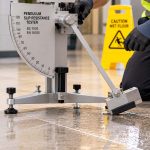
If a floor remains slippery, a competent provider can assess whether a compatible anti-slip treatment is suitable. A discreet test patch and appropriate slip-resistance testing can help evaluate the proposed approach. Treatment should not be assumed compatible with every floor or cleaning regime.
Slip prevention depends on maintenance, staff procedures, floor condition and the actual environment. GripBooster can discuss assessment and testing options for suitable commercial floors in Dubai and the UAE, subject to the facility’s operational requirements.