How to Improve Safety on Outdoor Tiles and Walkways
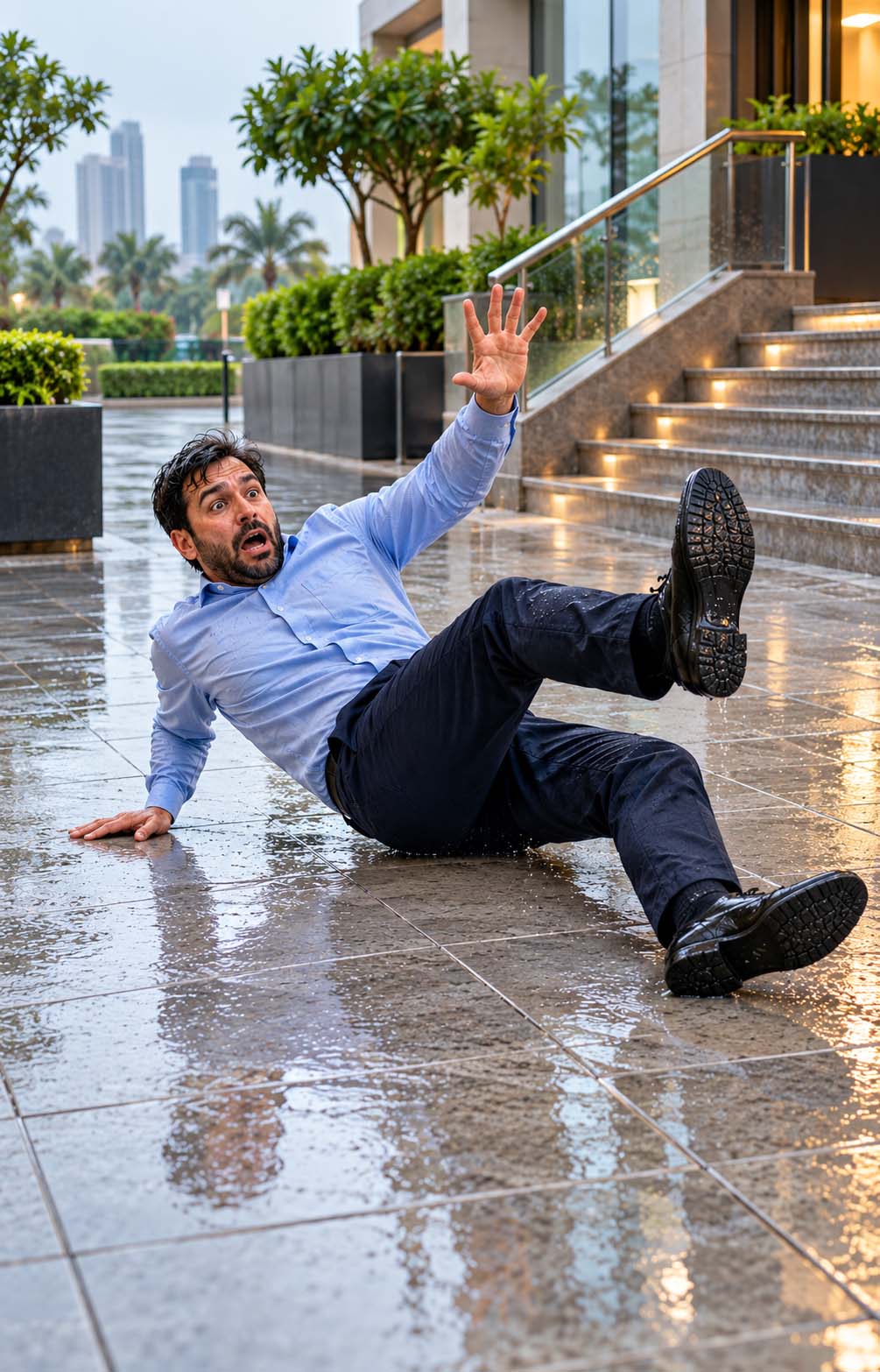
Outdoor tiles and walkways face conditions that differ from indoor floors. Rain, irrigation, dust, sand, algae and changing temperatures can affect surface grip. A suitable safety plan should consider both the tile and the environment around it.
Identify the cause of poor traction
Check whether the surface becomes slippery only when wet, after irrigation, or when dirt and organic growth accumulate. Look for ponding water, blocked drains, uneven paving, loose tiles and worn finishes. These issues may need repair or cleaning before a treatment is considered.
Maintain drainage and housekeeping
Keep drains clear and direct water away from walking routes where feasible. Remove sand, leaves and other debris regularly. Use a cleaning method compatible with the surface and avoid products that leave a slick residue. Outdoor areas may need more frequent inspections after rain or landscaping work.
Consider treatment only after assessment
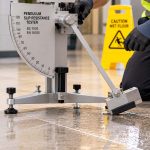
Some hard outdoor surfaces may be suitable for anti-slip treatment, while others may require a different solution. Confirm compatibility with the tile or stone, complete a test patch and consider weather exposure and future maintenance. Verify performance with an appropriate test method when needed.
Keep routes safe during work
Mark wet or restricted areas, provide safe alternative access and allow the surface to meet the product’s required conditions before reopening it. Do not assume a treatment eliminates all risk in heavy rain or where standing water remains.
GripBooster can help assess suitable outdoor floor treatment options for walkways and other hard surfaces in Dubai and the UAE.